

“Contracts don’t slow businesses down, they scale them.” Companies like Amazon, Apple, and Microsoft didn’t build empires on handshakes. They built them on documentation, systems, and accountability. Your rental property works the same way. Strong lease documentation practices that protect landlords turn paperwork into protection, shielding your rental income, minimizing legal issues, and keeping tenants accountable from move-in to move-out.
When you rely on proper documentation, you stay in control even when issues arise. In this blog, we will discuss how organized lease documents, accurate records, and consistent record keeping protect you from disputes, late payments, and costly mistakes that many landlords experience.
Key Takeaways
Clear documentation protects rental income and limits legal exposure.
Accurate records improve compliance, efficiency, and tenant accountability.
Digital systems help landlords keep documents secure and up to date.
Why a Strong Lease Agreement Is the Foundation of Landlord Protection
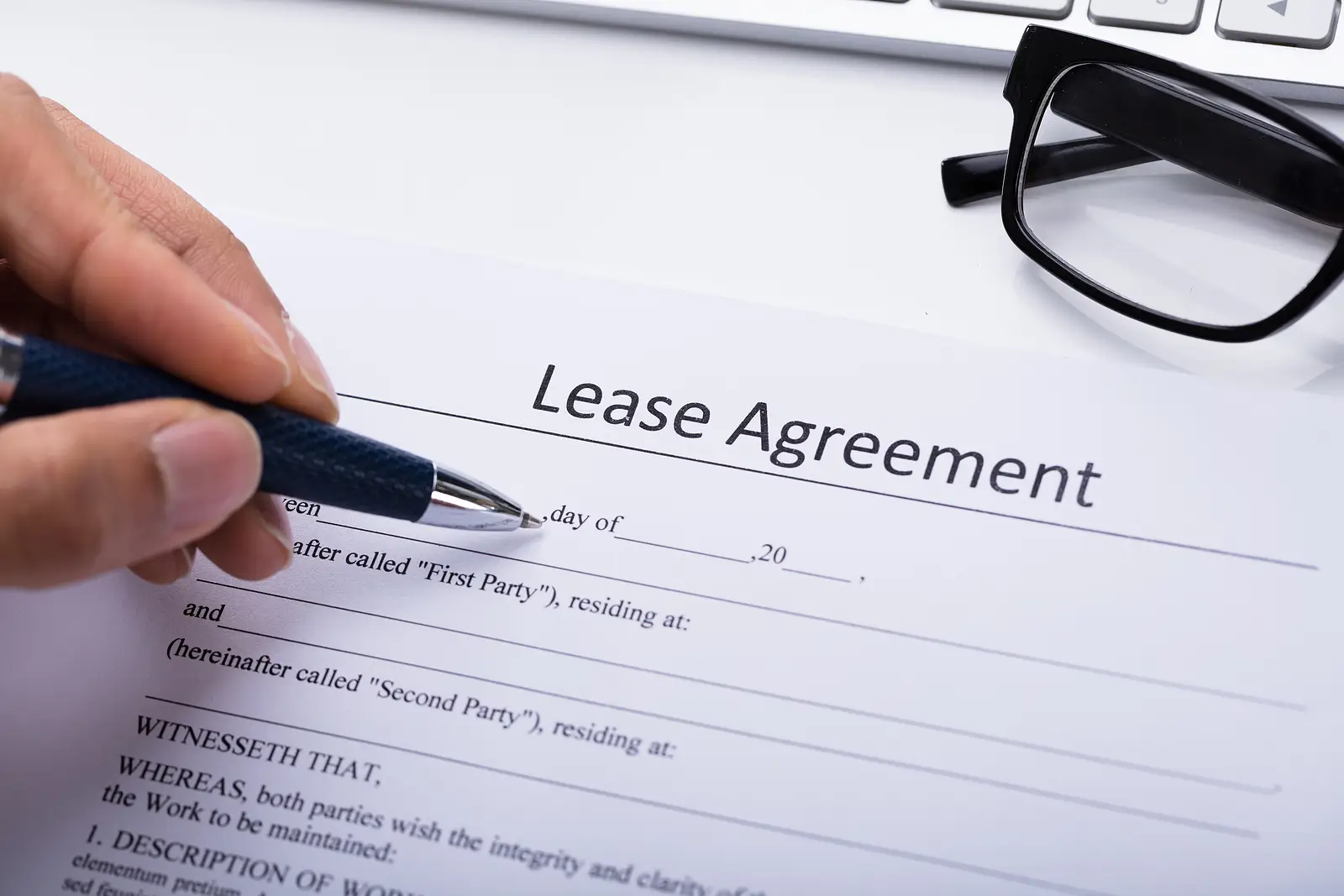
Your lease agreement is the most important legal document tied to your rental property. It defines rent amount, due date, security deposits, maintenance responsibilities, and tenant expectations in writing.
When disputes arise, courts look first to the rental agreement. A clear, enforceable lease protects property owners by setting expectations for both parties involved and reducing ambiguity that often leads to conflict.
How Effective Lease Management Keeps Rental Documents Organized
Lease management ensures that rental agreement documents remain accessible and accurate throughout the tenancy. You track lease terms, rent payments, notices, and renewals from start to finish.
With property management software, you store rental paperwork digitally, reduce human error, and maintain accurate records that support long-term operational efficiency.
How Clearly Defined Lease Terms Reduce Disputes With Tenants
Clearly written lease terms explain when tenants must pay rent, how late payments are handled, and what penalties apply. These terms remove uncertainty and hold tenants accountable.
When expectations are documented, you reduce disputes related to late fees, pet policies, and tenant responsibilities tied to the property’s condition.
Why Documenting Maintenance Requests Protects Your Rental Unit
Maintenance requests should always be documented. Written records show when a tenant reported an issue and how quickly you responded.
These records protect you from claims tied to neglect and help establish responsibility when property damage occurs.
How Proper Lease Renewals Prevent Confusion When a Lease Ends
Lease renewals deserve the same attention as the original agreement. Any change to the rent amount, lease length, or terms must appear in writing.
Clear renewal documentation prevents confusion when the lease ends and supports smoother transitions when tenants decide to stay or move.
Why Accurate Financial Records Are Critical for Landlords
Financial records track rent payments, late payments, overdue rent, and security deposits. These records help you protect rental income and identify patterns early.
During tax season, organized financial records simplify reporting and reduce the risk of errors on your tax return.
Financial Management Practices That Support Long-Term Stability
Strong financial management relies on accurate records and detailed reports. You use this data to forecast income, manage legal fees, and evaluate property performance. Good documentation supports better decisions as your rental portfolio grows.
Essential Landlord Documents You Should Always Maintain
Landlord documents include rental applications, lease agreements, rental history, move-out checklists, and notices.
Missing documents create significant problems during disputes, audits, or ownership changes, especially when dealing with new tenants.
Understanding Legal Requirements for Rental Documentation
Legal requirements vary by state laws, but compliance is mandatory. You must document notices, deposits, and tenant communications properly.
Protecting sensitive information is also essential. Secure storage, whether physical or digital, helps you meet regulatory expectations and avoid legal issues.
Important Rental Documents to Keep Throughout the Tenancy
Essential documents should remain accessible from move-in to move-out. Proper documentation supports enforcement and dispute resolution.
Consistent record keeping ensures you can respond confidently when questions arise months or years later.
Best Documentation Practices When Screening New Tenants
When you screen tenants, documentation protects you. Rental applications, screening criteria, and approval records show consistent decision-making.
Keeping detailed records demonstrates fairness when evaluating potential tenants and reduces legal exposure.
How to Track Late Fees and Late Payments Correctly
Late fee policies must be clearly stated in the lease agreement. You should document when fees apply and how much tenants owe.
Consistent tracking of late payments supports enforcement and strengthens your position if disputes escalate.
Why the Rent Due Date Must Always Be Clearly Documented
The due date anchors your rent collection process. When tenants know exactly when rent is due, misunderstandings decrease.
You should also document requirements to provide advance notice for changes or enforcement actions to avoid disputes.
Physical Documents Versus Digital Records for Modern Landlords
Many landlords still keep physical documents, but digital records offer better accessibility and security. A hybrid system works when physical copies are backed up digitally.
Digital records protect sensitive information and ensure documents stay up to date.
How Proper Documentation Helps Avoid Future Disputes
Proper documentation creates clarity for everyone involved. Accurate records provide objective evidence during disagreements.
Clear documentation helps resolve issues quickly without court involvement.
Keeping Lease Documents Up to Date as Tenants Change
Tenant moves, renewals, and policy updates require immediate documentation. Outdated records increase risk and confusion.
Keeping documents up to date supports smoother transitions and protects long-term operations.
Frequently Asked Questions About Lease Documentation
Q1. How do lease documentation practices that protect landlords support rental income?
Lease documentation practices that protect landlords create consistency in rent enforcement and renewals, helping preserve rental income by reducing disputes and late payments.
Q2. Which rental documents should be reviewed with prospective tenants?
You should review key rental documents such as the lease agreement, disclosures, and condition reports with prospective tenants to establish expectations and support proper documentation from the start.
Q3. How does a property manager help with record-keeping and compliance?
A property manager maintains proper documentation through organized record keeping, a reliable filing system, and adherence to data protection standards supported by the Federal Trade Commission, making the renewal process more efficient.
Turn Lease Documentation Into a Competitive Advantage
Documentation is not busywork. It is protection. When you maintain accurate records, organize rental paperwork, and follow proper documentation practices, you reduce risk and protect your rental income.
If you want systems that help landlords operate efficiently, stay compliant, and avoid disputes, PMI will give you the same advantage successful businesses rely on every day. Our company and team are dedicated to offering landlords like you services that will ensure your success and growth in the real estate landscape.
