

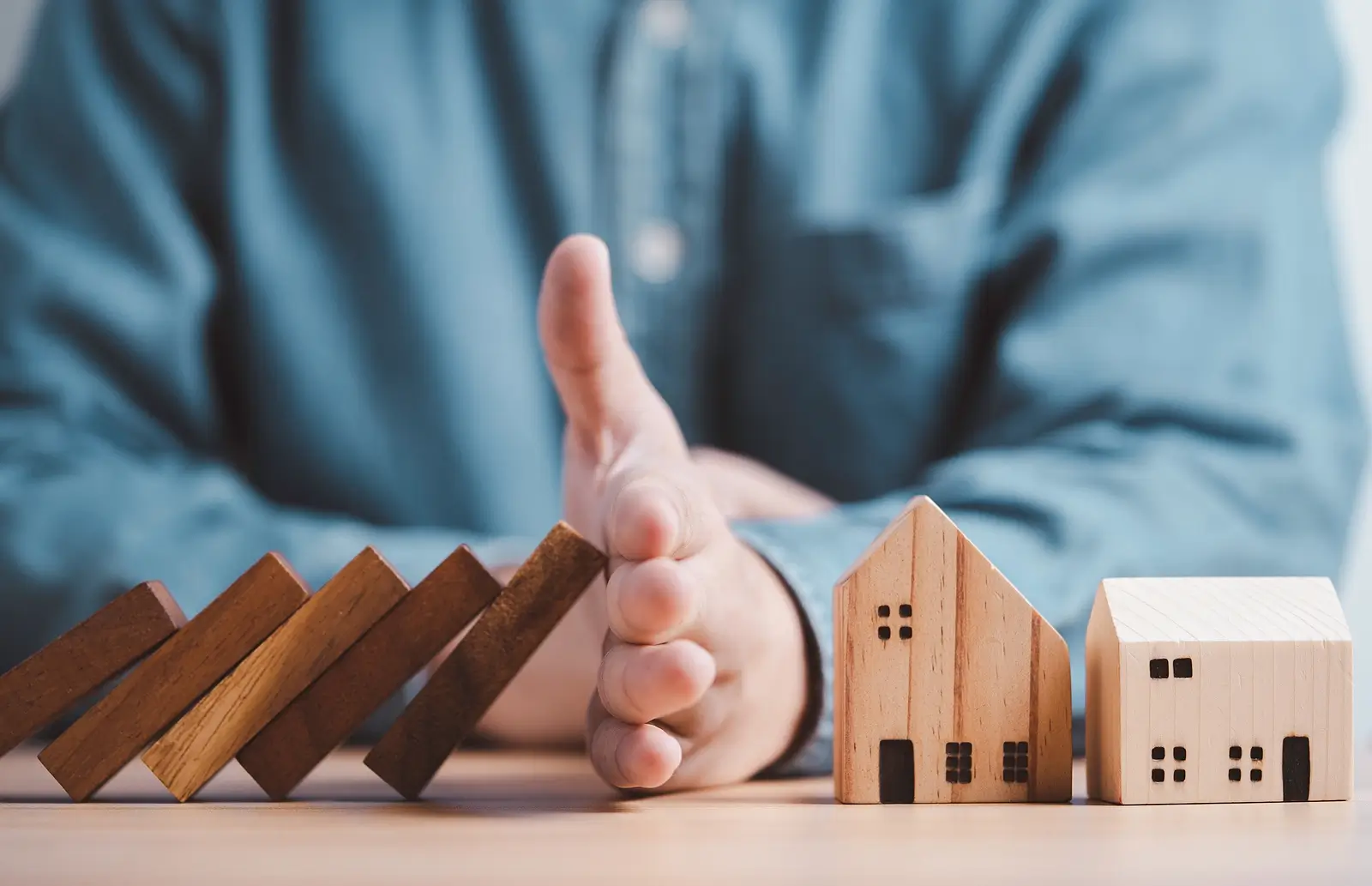
“It’s probably nothing.”
In property management, “probably nothing” has a funny way of turning into emergency repairs, unexpected expenses, and late-night calls that hit your cash flow hard.
Every landlord eventually faces the same fork in the road: stay ahead of problems or wait until problems arise.
The truth is, the choice between proactive and reactive property management shapes your property value, tenant satisfaction, and long-run profits more than most property owners realize.
Before another maintenance request turns into a costly repair, it helps to know which strategy actually protects your investment.
Key Takeaways
Proactive maintenance helps you save money by preventing costly repairs before they escalate.
Reactive maintenance may solve immediate issues, but it often creates unexpected costs and tenant dissatisfaction.
Regular inspections, tenant communication, and routine upkeep keep your rental properties in top shape for the long run.
Why Property Management Style Matters More Than Ever
How Your Management Approach Impacts Property Value
You no longer compete only on location or rental price. Tenants now pay close attention to maintenance, response times, and how well your property managers handle issues. A well-maintained rental property creates stronger lease renewals, fewer vacancies, and better asset value.
Reactive management often puts you in survival mode. Proactive property management keeps you in control.
What Is Proactive Property Management?
Understanding the Proactive Approach for Rental Properties
A proactive approach focuses on preventing problems before they become expensive repairs. Instead of waiting for systems to fail, you schedule regular maintenance, routine inspections, and seasonal upkeep throughout the year.
Proactive property managers usually prioritize:
HVAC servicing before summer and winter
Gutter cleaning before heavy rain
Pest control treatments
Upcoming inspections for building systems
Detailed records for maintenance tasks
This strategy gives you a clearer picture of your property maintenance needs.
Why Proactive Property Managers Stay Ahead
When you stay ahead of maintenance issues, you reduce tenant disruption and unexpected failures. You also create open lines of tenant communication, making tenants more likely to report small concerns early.
That small leak under the sink becomes a quick repair instead of a five-figure water damage problem.
What Is Reactive Maintenance in Property Management?
How Reactive Management Works in Real Life
Reactive maintenance means you only address problems after they happen. The furnace stops working. The roof starts leaking. The plumbing backs up. Then the repairs begin.
Some landlords choose reactive management because it seems cheaper upfront. You avoid paying for regular inspections or proactive measures until something breaks.
But delayed maintenance often multiplies costs fast.
The Hidden Risks Behind Reactive Maintenance
Emergency repairs rarely happen at convenient times. They happen during storms, holidays, or peak tenant occupancy. These urgent repairs can damage your cash flow and create tenant dissatisfaction.
Reactive maintenance also increases:
Unexpected repairs
Unexpected expenses
Tenant complaints
Higher contractor fees
Faster wear on systems
In many cases, reactive management becomes more expensive than proactive maintenance over the long run.
Key Differences Between Proactive and Reactive Maintenance
Comparing Costs, Timing, and Tenant Experience
The key differences between proactive and reactive strategies come down to timing and control. Proactive management addresses potential issues early. Reactive maintenance waits for failure.
That timing becomes a game-changer for property owners managing multiple properties.
Proactive property management helps you:
Budget maintenance costs better
Avoid unexpected costs
Improve tenant satisfaction
Protect property value
Save money long term
Reactive management may appear flexible, but it often creates financial unpredictability.
Which Strategy Gives Property Owners a Clearer Picture?
Detailed records and regular upkeep allow you to forecast future repairs and replacement timelines. You understand when systems need servicing and when costs may arise.
Without routine inspections, small maintenance issues can stay hidden until serious damage occurs.
How Proactive Maintenance Protects Property Value
Why Regular Inspections Keep Properties in Top Shape
Regular inspections protect both your tenants and your investment. They help you identify potential problems with electrical systems, roofing, plumbing, and HVAC equipment before breakdowns occur.
Well-maintained rental properties also perform better in competitive markets because tenants associate clean, functional spaces with reliable landlords.
Routine inspections also help you stay compliant with building codes and safety requirements.
Preventing Small Issues Before They Become Costly Repairs
A clogged gutter may seem minor today. Left unchecked, it can damage siding, roofing, and foundations tomorrow.
Proactive maintenance focuses on addressing potential issues before they escalate into expensive repairs. Common preventive maintenance tasks include:
Checking smoke detectors
Servicing HVAC systems
Inspecting plumbing lines
Cleaning gutters
Monitoring moisture buildup
These proactive measures reduce costly repairs and protect your asset value.
Why Tenant Satisfaction Depends on Maintenance
Ensuring Tenant Satisfaction Through Proactive Management
Tenants remember how quickly you respond to concerns. Fast communication and regular maintenance create trust and stability.
When tenants feel heard, they are more likely to renew their leases and take care of the property themselves.
Strong tenant communication also encourages residents to report maintenance needs earlier, rather than hiding problems until they worsen.
How Reactive Management Causes Tenant Disruption
Reactive maintenance often frustrates tenants because repairs are made after damage has already affected daily life.
A broken AC system during a heat wave or unexpected plumbing failure can quickly lead to tenant dissatisfaction. Delayed repairs also increase negative reviews and turnover rates.
For many property owners, turnover costs more money than preventive maintenance ever would.
Essential Proactive Maintenance Tasks Every Landlord Should Schedule
The Importance of Regular Maintenance for Building Systems
Your building systems need consistent attention to remain in top-notch condition. Preventing problems early helps you avoid sudden breakdowns and expensive replacements.
Important maintenance tasks include:
Seasonal HVAC servicing
Pest control treatments
Roof inspections
Water heater flushing
Exterior drainage checks
These regular maintenance efforts extend equipment lifespan and improve property performance.
Using Smart Sensors and Technology to Stay Ahead
Modern property managers now use smart sensors to monitor leaks, humidity levels, and system performance in real time.
These tools help you stay ahead of maintenance issues while improving efficiency across multiple properties. Technology also creates better documentation and detailed records for every repair and inspection.
Can Reactive Maintenance Ever Be Useful?
Situations Where Reactive Repairs Make Sense
Not every repair requires a full proactive strategy. Minor cosmetic issues or isolated problems may work under a balanced approach.
For example, replacing a single damaged cabinet handle may not require immediate preventive action.
The key is understanding the difference between small repairs and risks that threaten your property value.
What Landlords Should Choose: Proactive or Reactive Property Management?
Why a Balanced Approach Often Works Best
Most successful landlords carefully combine proactive and reactive strategies. Preventive maintenance handles systems and major property concerns, while reactive repairs address unexpected situations when necessary.
Still, proactive property management remains the stronger foundation because it protects your money, your tenants, and your long-term investment goals.
Frequently Asked Questions
Q1. How do modern amenities create cost savings for renters?
Modern amenities like energy-efficient appliances, smart thermostats, and fitness centers help renters reduce monthly utility bills and avoid extra membership expenses, creating long-term cost savings.
Q2. Why do renters value properties with updated features?
Updated properties often require fewer repairs and provide better convenience, which gives renters a stronger sense of value and comfort for the price they pay.
Q3. Can small property upgrades really improve tenant retention?
Yes. Simple improvements like better lighting, smart locks, and responsive maintenance can increase tenant satisfaction, encourage lease renewals, and reduce vacancy periods, leading to cost savings.
Don’t Wait for the Leak Before You Listen
At PMI, we believe great management starts long before the emergency call arrives.
We help property owners protect their rental properties through proactive maintenance, regular inspections, tenant communication, maintenance coordination, and additional services such as accounting and tenant screening.
You worked hard to build your portfolio. Let us help you preserve its value, strengthen your cash flow, and create rental properties tenants actually want to stay in. Whether you own one property or multiple properties, our team is ready to help you stay ahead, prevent costly repairs, and turn proactive management into your greatest investment advantage.
Other Resources:
Rental Bookkeeping Basics That Every Landlord Should Know
What are the Pros and Cons of a "Fixer-Upper" Rental Property
