
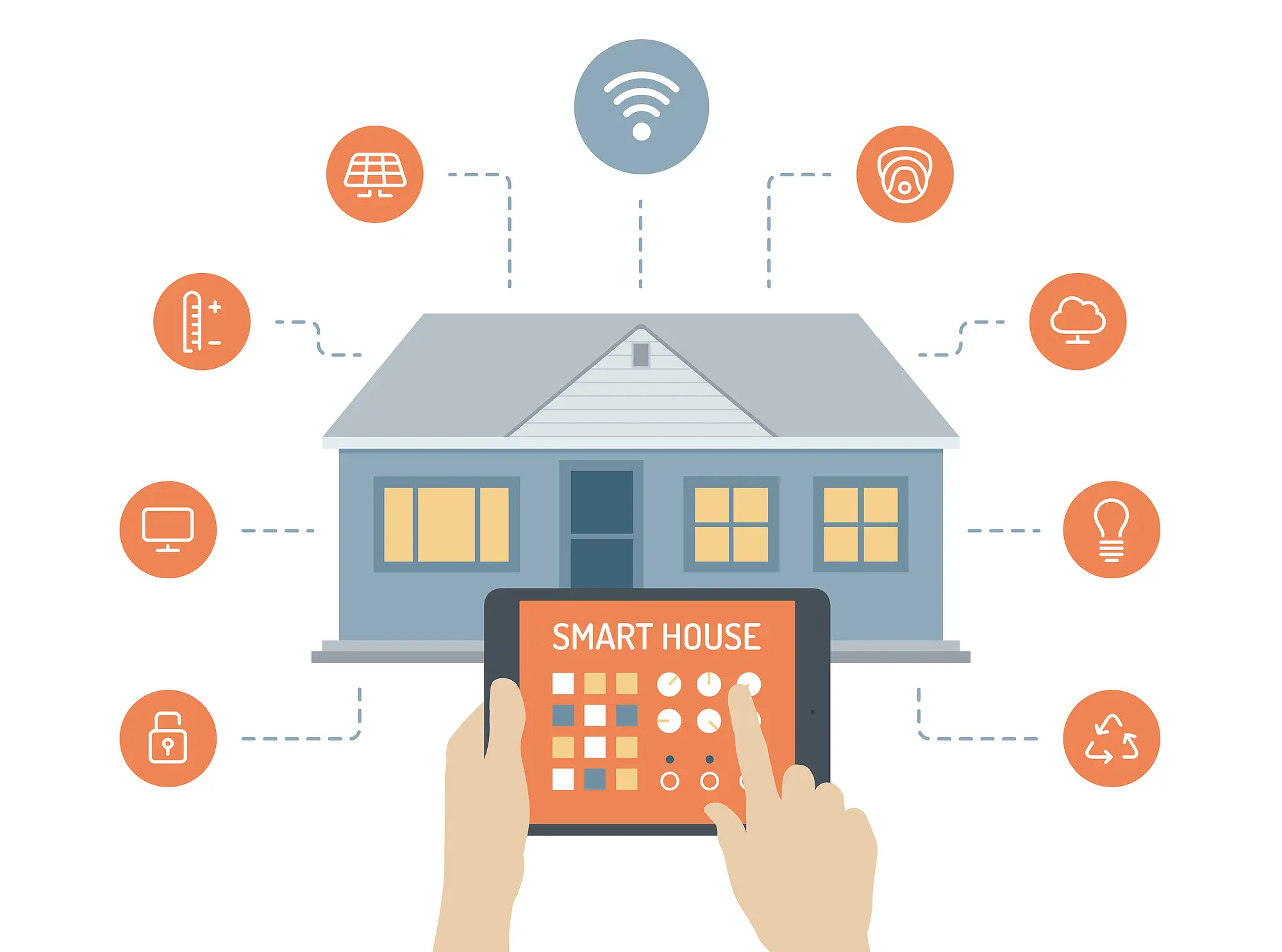
Renters today are drawn to homes with smart features.
It’s not just a phase. It’s a quiet turning of the tide, a subtle rewrite of what “home” means, where convenience hums in the background and technology becomes part of everyday living.
It tells you that modern living is no longer defined by space alone, but by how effortlessly life moves within it.
For you as a landlord, it means one thing: properties that embrace smart home technology aren’t just keeping up, they’re becoming the places tenants naturally choose.
Key Takeaways
Smart home technology gives your rental units a competitive edge and helps attract tech-savvy tenants
The right smart devices reduce maintenance costs, energy usage, and operational inefficiencies
Strategic implementation—not over-installation—is what drives long-term ROI
Rental Market Trends and Demand for Smart Home Features
You’re operating in a rental market where tenants expect more than just functional living spaces. Millennials and Gen Z renters actively seek smart home tech, especially features that enhance convenience and security. Properties equipped with smart home systems often lease faster and justify higher monthly rent.
Why Tech-Savvy Tenants Choose Smart Apartments
You’re not just renting out a space—you’re offering a lifestyle. Tech-savvy tenants prioritize remote access, automation, and control over their environment. Smart locks, smart lighting systems, and internet-connected devices make daily life more seamless, increasing tenant satisfaction and retention.
Benefits of Smart Home Technology for Property Owners
When you start incorporating smart home technology, you’re not just upgrading features—you’re optimizing how you manage your property.
Benefits of Smart Devices for Tenant Satisfaction
Tenants value comfort, convenience, and control. Smart home devices allow users to manage lighting systems, temperature, and security systems using their phones or voice commands.
Remote control of appliances and lighting
No more lost keys with smart locks and access codes
Automated schedules for energy usage and comfort
Improved safety through smart security systems
Seamless control of living spaces through wireless devices
Energy Efficiency and Cost Savings for Rental Units
Energy efficiency isn’t just a selling point—it’s a measurable financial advantage. Smart thermostats and smart lighting reduce unnecessary energy consumption and help lower utility costs.
How Smart Thermostats Optimize Energy Usage
Smart thermostats learn usage patterns and automatically adjust temperature settings. This reduces energy costs while maintaining comfort, helping you save energy without constant manual adjustments.
Smart Lighting Systems and Lower Utility Bills
Smart lighting systems ensure that lights are used only when needed. By combining smart plugs with energy-efficient appliances, you can significantly reduce energy use and utility bills.
Lower utility bills through automated lighting
Reduced energy consumption during vacant periods
Significant savings on long-term energy costs
Better control over energy usage across rental units
Improved efficiency without tenant effort
Enhanced Security with Smart Locks and Security Systems
Security remains one of the biggest concerns for tenants, and smart technology helps enhance safety while simplifying access.
Using Security Cameras and Smart Security Systems
Security cameras and smart security systems provide real-time monitoring and alerts. You gain better visibility into your property while tenants feel more secure in their homes.
Remote Access Control and Temporary Access for Tenants
Smart locks eliminate the risks of lost keys. You can assign temporary access codes to maintenance teams, ensuring secure, trackable entry without physical handovers.
How Property Managers Can Incorporate Smart Technology
You don’t need to overhaul your entire property overnight. A phased approach helps you minimize risk while maximizing results.
Steps for Incorporating Smart Home Technology
Start small, test performance, and expand based on results. Property managers who adopt a structured rollout avoid unnecessary costs and technical issues.
Pilot smart devices in one unit before scaling
Standardize smart home features across similar units
Train teams on remote monitoring and troubleshooting
Build tenant onboarding for device usage
Track maintenance issues and system performance
Scaling Smart Home Systems across Multiple Properties
Once you see results, scaling becomes the next challenge. Managing smart home systems across multiple properties requires consistency and planning.
Managing Smart Devices across Multiple Properties
Centralized platforms allow you to monitor and control all devices remotely. This improves efficiency and reduces operational costs.
Standardizing Smart Home Devices for Efficiency
Using the same smart devices across properties simplifies maintenance and reduces compatibility issues. It also allows bulk purchasing, lowering upfront costs.
Property Management and Operational Efficiency
Smart technology isn’t just about tenant-facing features. It transforms how you handle property management day to day.
Streamlined Management through Remote Monitoring
Remote monitoring allows you to detect maintenance issues early. Smart leak detectors, smart sensors, and automated alerts prevent costly repairs and reduce downtime.
Faster response to maintenance issues
Reduced maintenance costs through early detection
Improved efficiency in property management operations
Lower operational costs over time
Better oversight across rental investments
Legal and Practical Considerations for Smart Tech
Before you fully commit, consider privacy, compliance, and system reliability.
Ensuring Compliance and Tenant Privacy
You must inform tenants about any smart security systems and data collection. Clear policies protect both you and your tenants while building trust.
Frequently Asked Questions
How do smart features improve a property’s appeal for a real estate investor?
Smart features increase your property’s appeal by modernizing living spaces and boosting long-term value. As a real estate investor, you benefit from higher tenant demand, stronger retention, and the ability to position your rental as a premium, future-ready asset.
Can smart irrigation systems really contribute to energy savings and efficiency?
Yes. Smart irrigation systems optimize water usage based on weather and soil conditions, reducing waste and lowering utility costs. This adds to overall energy savings while making your property more sustainable and cost-efficient to operate.
Do smart home upgrades help attract tenants while improving security?
Absolutely. Smart home upgrades attract tenants by offering convenience and control while also enhancing security with features like smart locks and monitoring systems. Allowing tenants to manage access and safety through their devices creates a better rental experience and builds trust.
Where Smarter Rentals Begin
We’ve seen how quickly expectations shift. What felt like a luxury yesterday is becoming the standard today. And if you want your property to stay competitive, you can’t afford to fall behind.
At PMI, we help you move beyond guesswork. We don’t just suggest smart home tech, we guide you through selecting the right smart devices, integrating smart home systems, and managing them across your rental units with precision.
From tenant placement and rent collection to maintenance coordination and property management, we build systems that make your investment easier to run and more profitable.
Because at the end of the day, your property should work for you, not the other way around.
If you’re ready to upgrade your rental investments with smarter strategies and streamlined management, reach out to us today.
Let’s turn your property into something tenants choose and stay for.
